

Why a little fresh air helps, and why a permanently chilly house is not the answer.
Waking up to wet windows? If you are considering ventilating your home by opening windows for condensation, it helps to understand how fresh air and warmth work together.
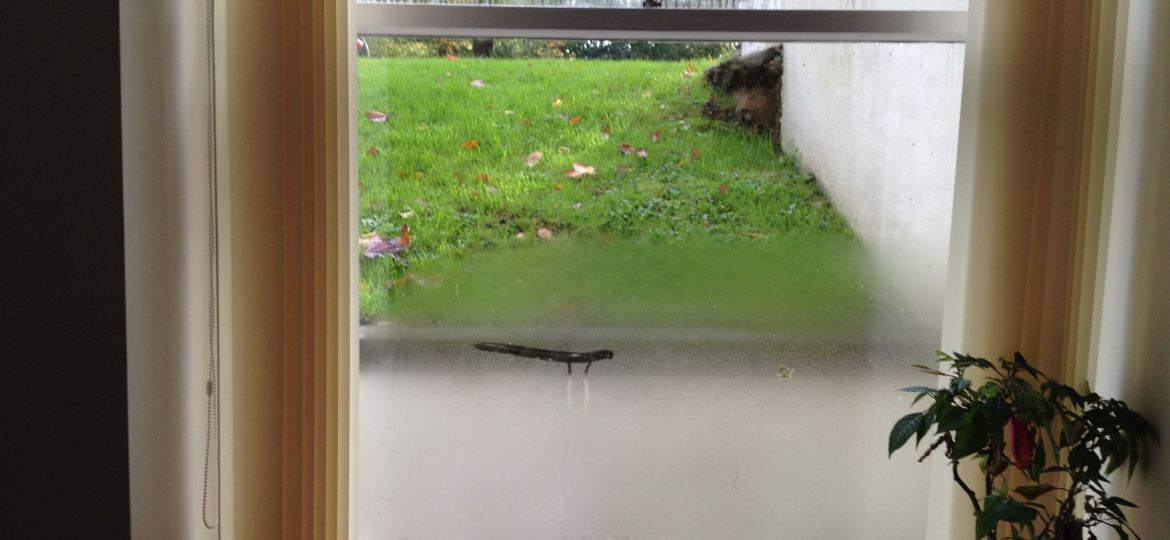
Your home may be telling you that yesterday’s moisture needs somewhere to go. Cooking, showering, drying clothes and even breathing add water vapour to indoor air. When that air meets a surface cold enough, such as a window, some of the vapour turns into droplets: condensation forms. Inadequate ventilation can allow moisture to accumulate. There is an absolute need to ventilate your home, but that may not always be the simple opening of a window.
Ventilating your home: Why opening windows helps reduce condensation
Opening windows lets moisture-laden indoor air escape and brings replacement air inside. In cold weather, outdoor air often contains less water vapour than indoor air, even when it feels damp. Once that incoming air warms up, its relative humidity falls, helping the home dry out. The important ingredient is exchanging moist air—not simply making the room colder. Ventilating has to be a sensible balance though.
Passive ventilation: a gentle push from nature
Window opening is a form of passive, or natural, ventilation: air moves without a powered fan. Wind creates pressure differences around the building, pushing air in on one side and drawing it out on another. Temperature differences also help: warmer air is less dense and rises, escaping through higher openings while cooler replacement air enters lower down. This is called the stack effect.
So, although warm indoor air can flow out into colder surroundings, air does not simply move “from warm to cold”. It moves from higher to lower pressure; wind and temperature-related density differences create that pressure imbalance. The direction and strength of airflow depend on the weather and the position of the openings.
These factors can help explain why condensation persists in some homes despite regular window opening. This can be particularly relevant in flats where all windows are on the same side of the building, limiting opportunities for cross-ventilation. Although air can still move through individual open windows, the exchange may be less effective at removing excess moisture.
If window opening is not providing enough air exchange, our ventilation improvement services can help identify a suitable approach for the property.
The catch: fresh air takes heat with it
Opening windows also releases heat. Leave them open for hours in winter and you can cool not just the air but the walls and window surrounds. Those colder surfaces can make condensation more likely when moisture builds up again—potentially undoing part of the benefit of airing the room.
Consistent, adequate warmth helps keep surfaces warmer and reduces condensation risk. That does not mean running the heating at full blast around the clock: sensible heating controls, insulation and ventilation need to work together. Heating alone does not remove moisture, and ventilation should not leave the home permanently cold.
Try a Scandinavian-style morning “shock”
A useful Scandinavian-style habit is a short, decisive airing rather than an all-day draught. Danish home-advice organisation Bolius recommends brief cross-ventilation for around 5–10 minutes, two or three times a day, for homes without heat-recovery ventilation. This approach is often called shock ventilation: a brief burst of air exchange. Morning airing and airing around cooking can be practical opportunities, adjusted to your home and the conditions.
First thing in the morning is a handy time to clear the moisture that has accumulated overnight. Open suitable windows on opposite sides where practical, let the air move through, then close them again and return to comfortable warmth. Short airing limits the prolonged cooling of walls and other surfaces compared with leaving a window ajar all day.
The aim is to refresh the house, not turn breakfast into an Arctic expedition. It might even give the family a friendly nudge towards socks, slippers and the kettle. Consider it a brisk invitation to start the day—not a reason to freeze anyone out of bed!
Keep the burst brief and suited to the conditions. Choose safe openings, keep children and pets away from open windows, and avoid airing during poor outdoor air quality. Bolius specifically advises timing ventilation around outdoor pollution and pollen, including traffic pollution, smoke and troublesome pollen.
Fresh air and warmth: partners, not rivals
Use short window airing alongside everyday moisture control: lids on cooking pans, working kitchen and bathroom extractors, and unobstructed background vents. A morning burst is not a substitute for the ventilation your home needs throughout the day.
If you have a whole-house mechanical ventilation system, follow its manufacturer’s instructions. For practical UK advice, see the government’s existing home ventilation guide.
Opening windows for condensation: key takeaways
- Opening windows helps remove moisture-laden air and reduce condensation.
- Passive ventilation uses wind and temperature-related pressure differences to move air without a powered fan.
- Windows on only one side of a flat can limit cross-ventilation, making moisture removal less effective.
- Keep airing brief: prolonged window opening can cool surfaces and increase condensation risk.
- Maintain consistent, adequate warmth alongside ventilation—heating alone does not remove moisture.
- Try a short morning “shock” airing of around 5–10 minutes where appropriate, creating cross-ventilation where practical, then close the windows. Adjust the duration to the weather and the home’s ventilation system.
- Use extractor fans, keep background vents clear and reduce moisture from everyday activities.
- If damp or mould persists, investigate the cause; opening windows will not fix leaks or building defects.
What’s your morning airing routine—do you open the windows while the kettle boils, or does your family need a little encouragement to welcome the fresh air?
Still struggling with condensation or mould?
Let the moisture out—not the warmth all day! Brief airing, consistent warmth and clear vents work together to tackle condensation. If damp or mould keeps returning, do not just keep opening windows—investigate the cause with a condensation assessment.
Get in touch with Condenex to discuss your condensation and mould concerns and take the next step towards a drier, more comfortable home. We provide free assessments for properties in Somerset and Dorset.
Call 0800 074 0586, email info@condenex.co.uk or request your free survey online. Any recommended installation or remedial work is quoted separately.