

Controlling condensation involves more than wiping water from windows or cleaning mould from a wall. It requires a balance between the moisture generated in your home, ventilation throughout the property and suitable internal temperatures.
During warmer weather, your condensation symptoms may subside. Wet window sills can dry out and mould in the corners of a room may become less noticeable. However, if the underlying conditions remain, the symptoms can return when the weather turns colder.
At Condenex, we help homeowners, landlords and tenants in Somerset and Dorset understand these conditions and identify suitable improvements.
Controlling condensation: three key elements
Reducing condensation and preventing recurring mould means looking at three connected factors:
- The amount of moisture generated in a property.
- Adequate ventilation throughout the whole property.
- The maintenance of suitable internal temperatures.
1. Understand where moisture comes from
Cooking, bathing, breathing and drying clothes indoors all introduce water vapour. Ordinary household activities are part of daily life; the property needs an effective way to manage the resulting moisture. Damp patches may also need investigation for leaks or building defects.
2. Check ventilation throughout the home
Effective extraction and a suitable supply of fresh air help remove moisture. A fan running does not necessarily mean it is extracting effectively. Our ventilation improvement services consider the needs of the room and the wider property. You can also read our guide: is your extractor fan pulling its weight?
3. Review heating and cold surfaces
Condensation can form where moist air meets a sufficiently cold surface. Suitable heating can help keep rooms and surfaces warmer, while appropriate insulation can help limit heat loss. Heating and ventilation need to work together: warming a room does not itself remove water vapour.
For independent information about moisture and air movement, see the Energy Saving Trust’s home ventilation guidance.
Electric radiators as part of a condensation control plan
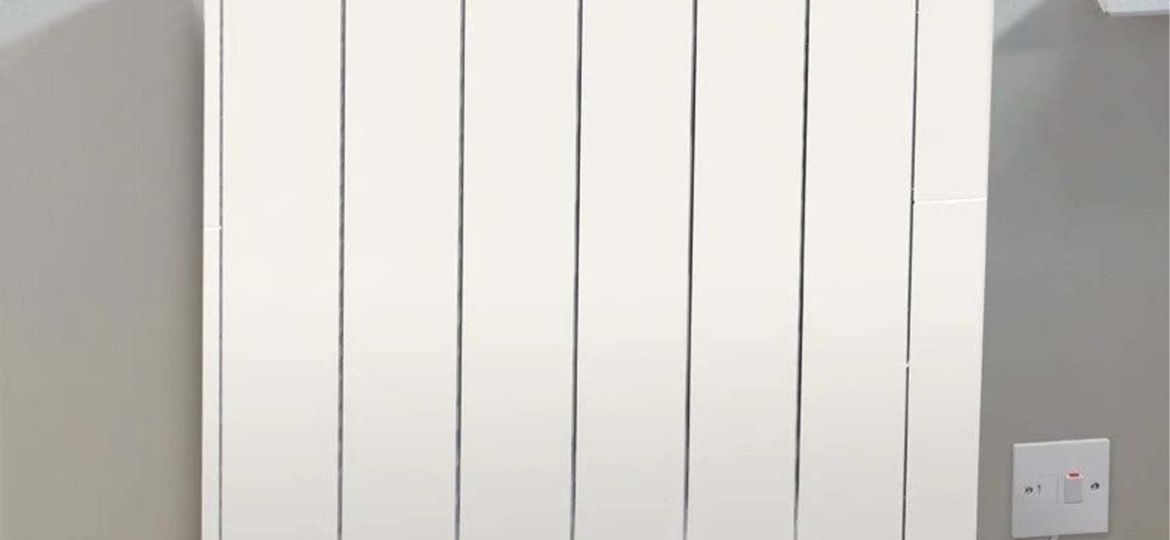
To complement our range of condensation solutions, Condenex can supply and fit electric radiators from the Electrorad Vanguard and Rointe ranges. Where inadequate heating is contributing to the problem, an appropriately selected radiator may form part of the recommended work.
These ranges offer programmable heating controls, with the precise functions depending on the model. Thermostatic control and scheduling allow heating to be set around the needs of each room and the people using it.
- Electrorad Vanguard: the manufacturer’s range includes digital temperature control and weekly programming. See the Electrorad Vanguard radiator information for model details.
- Rointe: its radiator ranges include programmable controls, with connected features available on selected models. Read Rointe’s electric radiator selection guide.
Control features can help avoid unnecessary heating, but running costs depend on the electricity tariff, the property’s heat loss, temperature settings and how the radiator is used. We consider suitability before recommending equipment.
Will better heating stop mould returning?
Better heating can help where cold rooms or surfaces are contributing to condensation. However, existing mould, ineffective ventilation or a separate moisture source may need additional attention. A radiator alone cannot resolve every cause of damp and mould.
Our condensation assessment considers the symptoms alongside heating, ventilation and the condition of the property. Where needed, recommendations may also include professional mould clean-down and work to address the conditions allowing it to return.
Book a free condensation assessment in Somerset or Dorset
You do not need to wait for colder weather or another outbreak of mould to investigate. Whether symptoms have eased during summer or are already returning, we can help you understand the problem and discuss appropriate options.
Call 0800 074 0586, email info@condenex.co.uk or complete our online survey request form to arrange your free assessment. Any recommended installation or remedial work is quoted separately.