

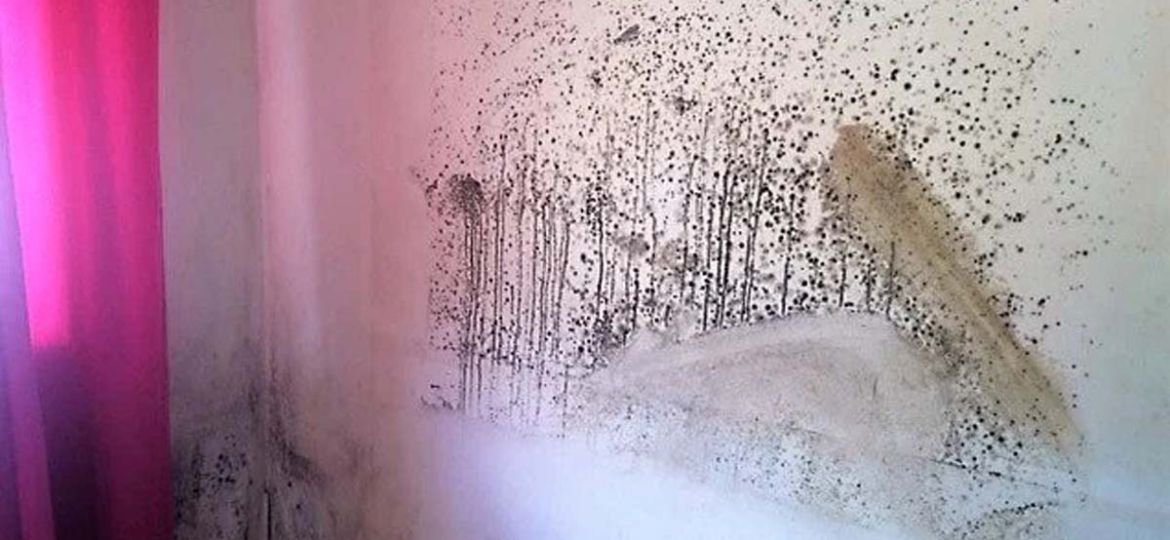
If you are a landlord, particularly an HMO landlord, the Fitness for Human Habitation Act is important when considering the condition of your property. Damp, mould and inadequate ventilation can all be relevant to whether a rented home is fit to live in.
In our work with rented properties, we have encountered tenants referring to this legislation when reporting damp and condensation. Understanding the cause of the problem, and responding appropriately, is essential.
Condenex helps landlords and letting agents in Somerset and Dorset investigate condensation, recurring mould and ventilation problems, with free assessments and recommendations for suitable work.
What does the Fitness for Human Habitation Act cover?
The full name is the Homes (Fitness for Human Habitation) Act 2018. It came into force in England on 20 March 2019, with qualifying existing periodic tenancies brought within its scope from 20 March 2020.
The Act amended the Landlord and Tenant Act 1985. For tenancies within its scope, landlords must ensure that the dwelling is fit for human habitation at the start of the tenancy and remains fit throughout it. The provisions apply across the private and social rented sectors.
Read the government’s guide for landlords to the Homes (Fitness for Human Habitation) Act 2018 for details of its scope and exceptions.
How are damp, mould and ventilation relevant?
The fitness assessment considers several aspects of a property’s condition. Two particularly relevant to our work are:
- Freedom from damp: serious damp conditions can make a home unsuitable for occupation.
- Ventilation: inadequate ventilation is another factor considered when assessing fitness.
These are among the matters listed in section 10 of the Landlord and Tenant Act 1985. The legal test concerns whether defects make the home not reasonably suitable for occupation in its condition; a single patch of condensation does not automatically establish that legal conclusion.
However, recurring mould, persistent window condensation or damp patches should be investigated. Our guide to condensation related mould in homes explains why finding the moisture source matters.
Why telling tenants to open windows may not be enough
Simply advising tenants to open windows or dry washing outdoors does not establish why damp or mould is occurring. Practical advice should accompany investigation of the property, including its heating, insulation, ventilation and any defects.
Government guidance says landlords should identify and address the underlying causes of damp and mould rather than assume the problem is caused by tenants’ lifestyles. Reports should be taken seriously, investigated promptly and followed up to check whether the action taken has worked.
See the government’s damp and mould guidance for rented housing providers.
Heating and ventilation in HMO properties
Shared kitchens and bathrooms, different daily routines and the use of individual bedrooms all need consideration when reviewing an HMO. The ventilation arrangement should suit how the property is occupied and used.
Good ventilation involves more than fitting an extractor fan. Air must be able to enter, move through the relevant spaces and leave by an appropriate route. Fan selection, ducting, controls and maintenance can all affect performance. Read our article: is your extractor fan pulling its weight?
Heating and cold surfaces also need consideration. Appropriate heating may help where low temperatures contribute to condensation, but it does not replace moisture removal or repairs to leaks.
HMO landlords should also check any applicable licensing conditions with their local council. The government’s HMO guidance explains the additional standards and responsibilities associated with shared rented accommodation.
How Condenex can help investigate damp and condensation
Our free condensation assessment helps establish what may be contributing to the symptoms before appropriate work is recommended. We consider the affected areas alongside heating, ventilation, insulation and the wider condition of the property.
Depending on the findings, suitable options may include:
- Ventilation improvements, including appropriate extraction.
- Positive input ventilation where suitable for the property.
- Attention to heating, insulation or identified building defects.
- Professional mould clean-down, alongside addressing the conditions allowing it to return.
Our assessment provides practical findings and recommendations. It is not a legal determination that the property satisfies every housing standard.
Free assessments for landlords in Somerset and Dorset
If you manage a rental property or HMO and need help with damp, condensation or mould, contact Condenex. We have a range of solutions available and will explain which options are appropriate for the conditions found.
Call 0800 074 0586, email info@condenex.co.uk or complete our online survey request form. Assessments are free of charge; any recommended installation or remedial work is quoted separately.